It is important to know the signs of ovulation because a woman is most likely to become pregnant around this time, when her ovaries release an egg into her uterus. Knowing what ovulation looks and feels like and when it occurs can be very useful if you're trying to get pregnant.
What Are the Signs of Ovulation?
Here are some ways your body might let you know you're ovulating:
- Pain in your ovary
- Changes in cervical mucus
- Changes in body temperature
- Changes in hormone levels
Pain Related to Ovulation
Mittelschmerz is the official name for pain with ovulation. It's usually a sharp or cramping pain on one side of the lower abdomen, occurring about two weeks before your period starts. It's generally brief (minutes to hours), but in some women can last for a day or two. About 20% of women report having this pain.
It's not clear what causes mittelschmerz, but it might be due to irritation of the lining of the ovary when an egg is released.
Mittelschmerz can happen monthly or just occasionally. If you're having pain for the first time, check with your doctor to make sure it's not an infection or other serious problem.

Changes in Cervical Mucus
Not everyone is comfortable examining vaginal discharge, but it can help you figure out your most fertile days. Fluid released from the cervix (the entrance to the uterus) flows into the vagina. It looks different at different times of the month. Sometimes you can see the discharge on your underwear, or on the toilet paper after you urinate. You can also try touching your vulva (the outside part of your genitals) or just inside the vagina. Looking at and feeling the discharge will help you become familiar with the changes throughout your cycle.
- Immediately after your period, you probably won't see much discharge.
- In the next few days, you may notice sticky or rubbery fluid.
- After that, it will become wetter and creamier, with a whitish or yellowish color, signaling the beginning of your fertile time.
- Just before you ovulate, the fluid becomes clear, slippery, and stretchy. This clear stretchy discharge indicates your most fertile time.
- After the fertile days you may see one final change, with the discharge becoming cloudy and sticky (and possibly going away completely) before your next period begins.
- Some women may not be able to notice mucus changes for various reasons.
You are most likely to get pregnant when your cervical mucus is clear and slippery. You may also be fertile from a few days before that time until about three days after. You are least likely to get pregnant during the "dry days" just before and after your period.
Changes in Body Temperature
A change in your basal body temperature can be a sign of ovulation. You can measure your basal body temperature by taking your temperature first thing in the morning, right after you wake up. When you ovulate, your basal temperature rises slightly.
Here's how to use this method to detect ovulation:
- You will need a thermometer that shows changes as small as 0.1 degrees Fahrenheit. You can purchase a kit at the drugstore which will have everything you need.
- Take your temperature every morning, as soon as you wake up and before you get out of bed. (Don't use an electric blanket. It can interfere with your natural temperature changes.)
- Keep track of your temperature on a chart. You'll need to do this for a few months in order to get a good idea of what is normal for you.
- About two weeks before your period is due, you should notice your temperature rising 0.4 to 0.8 degrees Fahrenheit. The temperature rise tells you that ovulation has probably occurred. Your temperature will stay elevated until your next period.
Basal body temperature doesn't tell you the exact moment of ovulation, but it's likely that your most fertile time begins about three days before the change, and ends about a day after.
Changes in Hormone Levels
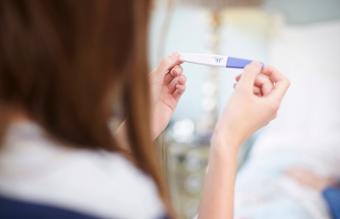
During your menstrual cycle, a surge in Lutenizing Hormone (LH) signals your ovaries to release an egg. Ovulation usually happens about 12 to 24 hours after the LH surge. Ovulation predictor kits, which you can purchase at the drugstore, measure LH.
- The LH test is a simple urine test.
- You will need to hold a test stick in your urine stream for a few seconds.
- A window on the stick shows you the result.
- An ovulation predictor kit should contain enough materials for five or more days of testing.
- Use the kit around the middle of your cycle (about two weeks before you expect your period), since that is when you are most likely to ovulate.
Your most fertile days are from about three days before the LH surge until a day or two after.
Can Signs of Ovulation Be a Good Method of Birth Control?
Knowing the signs of ovulation does not work well for birth control. Of 100 women using the cervical mucus or basal body temperature methods for birth control, about 20% will become pregnant within a year.
One problem is that you must abstain from intercourse before and after ovulation occurs to avoid getting pregnant. Knowing that ovulation has occurred isn't enough.
Likewise, ovulation is not entirely predictable. Errors can happen with any of these methods. If not getting pregnant is important to you, it's wisest to have a more reliable method of birth control.
For More Information
The following resources offer more information about ovulation signs:
- Natural family planning information from the Mayo Clinic
- Information on fertility awareness from the National Women's Health Information Center
- Information on charting your fertility pattern from Planned Parenthood
- Information on the LH urine test from Medline Plus
Improving Your Chances of Conception
If you are trying to get pregnant, then you may be able to increase your chances of conception by using the above methods to track ovulation. By knowing your most fertile times and understanding the signs of ovulation, you give your body every opportunity to conceive.