Ovary Pain

From LoveToKnow Pregnancy

Ovary pain can be a one-time incident or a chronic problem that indicates something more serious. Women who are already pregnant and those who are trying to conceive should discuss any pain with their doctor so they can get the best treatment.

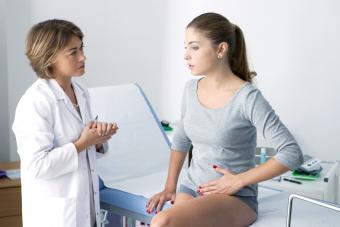
Tell a doctor about any pain you experience.

Preconception Pains

Schedule a preconception check up with your doctor before you get pregnant. During this visit, bring up any pains you are having, especially those in your lower abdomen and pelvic region.

Ovulation and Menstruation

Women can experience a sharp pain on one side of their ovaries during ovulation, called mittelschmertz. This pain is often short lived and will occur mid-cycle. It usually requires no medical intervention, although some women will take an over-the-counter pain reliever.

A more serious form of ovulation pain is known as dysmenorrhea. It occurs during menstruation and may require a prescription pain reliever or hormones to help control the problem.

Infections

Pain in the pelvic area that occurs suddenly may be the sign of an infection. Bacteria can cause issues within reproductive organs, just as they do throughout the entire body. An infection in an area near the ovaries may also cause them to be painful.

Sometimes, a previous STD like Chlamydia, can cause problems like the onset of Pelvic Inflammatory Disease (PID). This infection can present itself as pain in the abdominal region and result in sores to the ovaries. Left untreated, PID can lead to infertility.

Ovarian Cysts and Pain

Ovarian cysts are common in women who are of childbearing age. Cysts are classified into different groups, depending on their cause. The Office on Women’s Health identifies five types of ovarian cysts:

  1. Functional Cysts: These occur naturally during menstruation cycles. Though they may cause pain, they usually go away within a few months. Consistent problems may require taking hormonal birth control for prevention.
  2. Endometriomas: Women who have endometriosis will have cysts that cause pain and potential infertility.
  3. Cystadenomas: Cysts that have developed from the outer cells of the ovary that can be filled with fluids and can become painfully large.
  4. Dermoid Cysts: Cells in the ovary can develop tissues that mimic a human form, such as hair and teeth.
  5. Polycystic Ovarian Cysts: These cysts form on top of one another when follicles do not break open to release eggs. Polycystic Ovarian Syndrome (PCOS) can interfere with daily life and future fertility.

Ovarian cysts that are not the result of the previous list should be tested to find out if they are actually cancerous tumors. Any plans for getting pregnant should be put on hold until you know you are cancer-free.

Ovary Pain in Pregnancy

Women who are already pregnant often experience aches and pains they have never felt before. The pain can be the result of a previously undiagnosed problem, like PCOS, or something more serious.

Any pain in the lower abdominals, pelvic region, ovaries, or vaginal area should be reported to a physician immediately. Women who know they are pregnant and experience ovary pain in the first trimester should call their doctor, as it can be a sign of:

Later on in pregnancy, some pelvic pain can be attributed to round ligament pain that affects the whole uterine area. These growing pains are due to the stretching and growth of the uterus.

Women who have had a prior c-section may have developed adhesions near their scar tissue. As their baby grows, this might cause abdominal pains that could be mistaken for ovary pains.

Alternative Pain Causes

Although you may be convinced that what you are feeling is ovary pain, it could be something else entirely. It can be easy to confuse pain in your reproductive organs with other abdominal and pelvic pains, especially if you are worried about your ability to conceive or a growing baby.

Other causes of pain might be:

  • Constipation
  • Appendicitis
  • Bladder infection/urinary tract infection
  • Kidney stones
  • Gall bladder infection/disease

Whether you are trying to prevent pregnancy, trying to conceive, or are currently pregnant, you should always discuss ovary pain and other health issues with your physician so you can be treated properly.

Additional Resources

For more information on women’s health issues and pain, visit the following sites:


Comments

Porchae, since you have the pain ever after your periods, you are right to see your doctor. Ovulation pain usually only happens before your period. You might be experiencing something else like endometriosis or a fibroid.

-- Contributed by: HollySwanson

ive been having ovary pain on the right side before my period and even after and sometimes on the left i think going to see a doc is best for us so they can give us an ultra sound on the ovaries.

-- Contributed by: porchae

Sandra, it sounds like you might have endometriosis. I was just diagnosed with it myself and can tell you that pain throughout the month and an irregular cycle are common. Talk to you doctor about your concerns. Taking the pill is the most common treatment option.

-- Contributed by: HollySwanson
> See All Comments on this article    


Comment on Ovary Pain


(Displayed with your comment)                        (Will not be displayed)
Verification Code:   
    

Pregnancy


E-Mail Updates

Sign up for a free LoveToKnow e-newsletter to get exclusive recipes, decorating tips and great information you need!

Receive offers from our partners.

Read our privacy policy.


PRINT THIS PAGE

EMAIL TO FRIEND