It's normal to be concerned with your fertility after early miscarriage. Many couples want to try to conceive again right away, while others need time to heal. Ultimately, though, fertility following a miscarriage is an issue of concern for most couples.
Early Miscarriage
Most of the time, reasons for early miscarriages are never realized. Typically, a miscarriage that occurs within the first 12 weeks is due to chromosomal abnormalities. The specific reason is never detected, and a woman's ability to carry a pregnancy to term is not diminished. However, there are cases where miscarriages occur due to other health issues that would affect a woman's reproductive system.
Chances of Miscarriage Next Time
The experts agree that one miscarriage does not predict future ones. Otherwise healthy women who have had miscarriages have an 85 percent chance of carrying the next pregnancy normally. There is no increased risk unless the woman is over 35 years of age and has had more than two miscarriages.
Fertility After Early Miscarriage
While doctors say there is a brief period right after a miscarriage occurs that a woman experiences increased fertility, this does not mean that her fertility will be increased for long. Experts report that a woman's normal fertility level should return within four to six weeks after the miscarriage when ovulation starts and her cycle begins to function as normal again.
Time to Try Again
When a woman's cycle returns to normal, her body is capable of becoming pregnant again. However, that doesn't mean it's the right time for a couple to try for another pregnancy yet.
After the miscarriage, a doctor should evaluate the woman's medical history and her current state of health in order to determine when her body is healed enough to carry a baby. Some women's bodies are ready within four to six weeks, while it takes others up to six months to be physically ready again.
There's more to consider, though, than just the physical aspect. The couple needs to evaluate their emotional health, too. There are feeling of loss, guilt, and sadness to deal with before getting pregnant again. The next pregnancy won't replace the lost one.
Ways to Increase Fertility
If a couple is certain they are ready to conceive again, there are a few things a woman can do to help her chances of becoming pregnant.
The first thing to do is to stop any unhealthy habits. These include smoking, drug use, or alcohol abuse. It's reported that high consumption levels of caffeine are detrimental to conception so that should also be limited.
Eliminating stress can also help. Stress is one of the most important factors in having a successful pregnancy, so it also makes sense that it can reduce fertility levels.
Eat healthy. If depression was experienced due to the miscarriage, it's possible that the woman's diet has not been the healthiest. It's common for women who have experienced a miscarriage to have a loss of appetite and not eat enough or to eat out of sorrow, eating too much. More attention should be paid to the diet and more healthy foods added to meals.
Talk to a Doctor
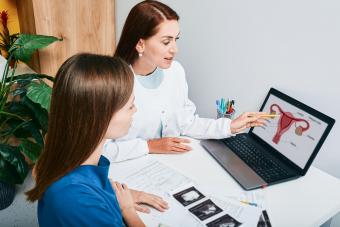
If a couple is having issues with fertility after early miscarriage, they should talk to a doctor. There are many options available. More than likely, the first thing the doctor will do is to test fertility levels of both the man and the woman. If you don't want to visit a doctor for this, there is a new at-home kit available called Fertell. This test, retailing for approximately $100, measures fertility levels for both a man and a woman.
If it is found that there is a loss of fertility after early miscarriage, fertility drugs or therapies may be prescribed for a period of time.
The doctor may report that there are no issues with fertility. At this point, it would be a good idea to use an ovulation predictor in order to time effective intercourse. This isn't the most romantic idea, but it may well be one of the most logical ways for a couple to conceive.
Bottom Line
Fertility is not normally decreased after miscarriage. A woman's fertility levels return to normal as soon as her menstrual cycle returns. Fertility may be decreased due to emotional issues as a result of the miscarriage. However, if a couple is ready, both physically and emotionally, there should be no physiological hindrances to conception.
The decision to try again is not an easy one. However, fertility won't typically be an issue.
.