Some women have light vaginal bleeding during ovulation, which occurs about midway between periods. It can be startling at first, as if an "extra" period were beginning. Understanding why bleeding during ovulation occurs can be helpful if you are concerned about your cycles.
Bleeding and Ovulation
Although women usually think of it as bleeding during ovulation, this spotting before your period actually seems to happen just before ovulation occurs during a decline in the woman's estrogen level. This spotting during ovulation signals a decline and is a normal part of the menstrual cycle.
Estrogen and Menstrual Bleeding
During a woman's period, the level of estrogen in her body is fairly steady. As bleeding stops, estrogen begins to rise slowly, and the uterine lining begins to thicken. At the same time, other hormones cause one of the woman's two ovaries to get ready to release an egg. The estrogen level rises most rapidly just before ovulation, which is when the egg leaves the ovary. Just before ovulation, estrogen drops quickly, although the level remains higher than before the surge. After ovulation, estrogen rises again slightly and then, if the egg is not fertilized by a man's sperm, falls again.
Mid-Cycle Bleeding
Menstrual bleeding (a "period") happens during the second drop in estrogen. In some women, though, the first estrogen drop appears to trigger bleeding, too. This mid-cycle bleeding, sometimes called ovulation bleeding, is usually light and brief. If you see blood during ovulation, you do not necessarily need to be concerned.
Using Ovulatory Bleeding to Plan a Pregnancy
If you have bleeding mid-cycle every month, you may be able to predict when you will ovulate. Check with your doctor first to make sure that the bleeding doesn't have a more serious cause. Then, you can use other methods of recognizing ovulation to double-check your prediction. Planning intercourse for the days immediately before ovulation can increase your chance of getting pregnant.
Other Reasons for Bleeding Between Periods
Bleeding or spotting before periods can be caused by other conditions, including:
- Birth control pills: During the first few months on the pill or another hormonal method of birth control, bleeding between periods (called "breakthrough bleeding") can happen as the uterine lining adjusts to the hormones. If the bleeding does not go away, a different pill or method may be needed. Breakthrough bleeding can also happen if a woman fails to use the hormonal method regularly. In this case, a back-up form of contraception may be needed.
- Uterine fibroids: Fibroids are non-cancerous tumors that can grow anywhere in the uterine wall. If they affect the inside of the uterus, they can cause bleeding between periods. Large or bothersome fibroids can often be surgically removed.
- Uterine polyps: Polyps are soft growths on the inside surface of the uterus that may cause irregular bleeding. Polyps can also be removed, usually with a simpler surgery than for fibroids.
- Hormonal imbalance: Having normal periods depends on an intricate cycle of hormones. When the cycle does not work properly, spotting can result.
Other Causes of Mid-Cycle Spotting
Certain prescription medications can affect the menstrual cycle, causing mid-cycle bleeding. Some over-the-counter herbal medicines can also cause menstrual problems. Herbals such as ginseng, ginko, and soy can cause spotting, either by interfering with estrogen levels or by changing how well blood clots. Other possible causes include:
- IUD birth control
- Low thyroid function
- Vaginal or cervical infection
- Serious problems such as cancer
Rare Problems with Bleeding During Ovulation
If you're wondering if spotting during ovulation is normal, in most cases it is. However, some women suffer from bleeding disorders that can lead to serious bleeding during ovulation. It's typical to have a small amount of bleeding within the ovary as the egg is released. In the majority of women, this is normal and expected and has no physical symptoms at all. If a woman's blood does not clot normally, however, she can have more serious bleeding when the egg is released. In these unusual cases, a woman can have bleeding into her abdomen, causing severe pain and even shock. Birth control pills, which prevent ovulation, can help keep this from occurring. Bleeding around ovulation isn't an issue for all women, but some women may need to seek medical attention.
When to See the Doctor
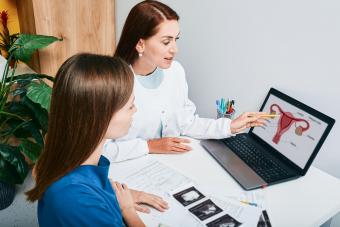
Bleeding on ovulation day occurs for some women. While for some women it is normal to spot during ovulation, any time you notice unusual vaginal bleeding, you should check in with your doctor. Most of the time, the bleeding will have a simple explanation, such as bleeding during ovulation, and it may go away on its own. But because it could have a more serious origin, talk it over with your health care provider.